Vein assessment

Varicose Veins

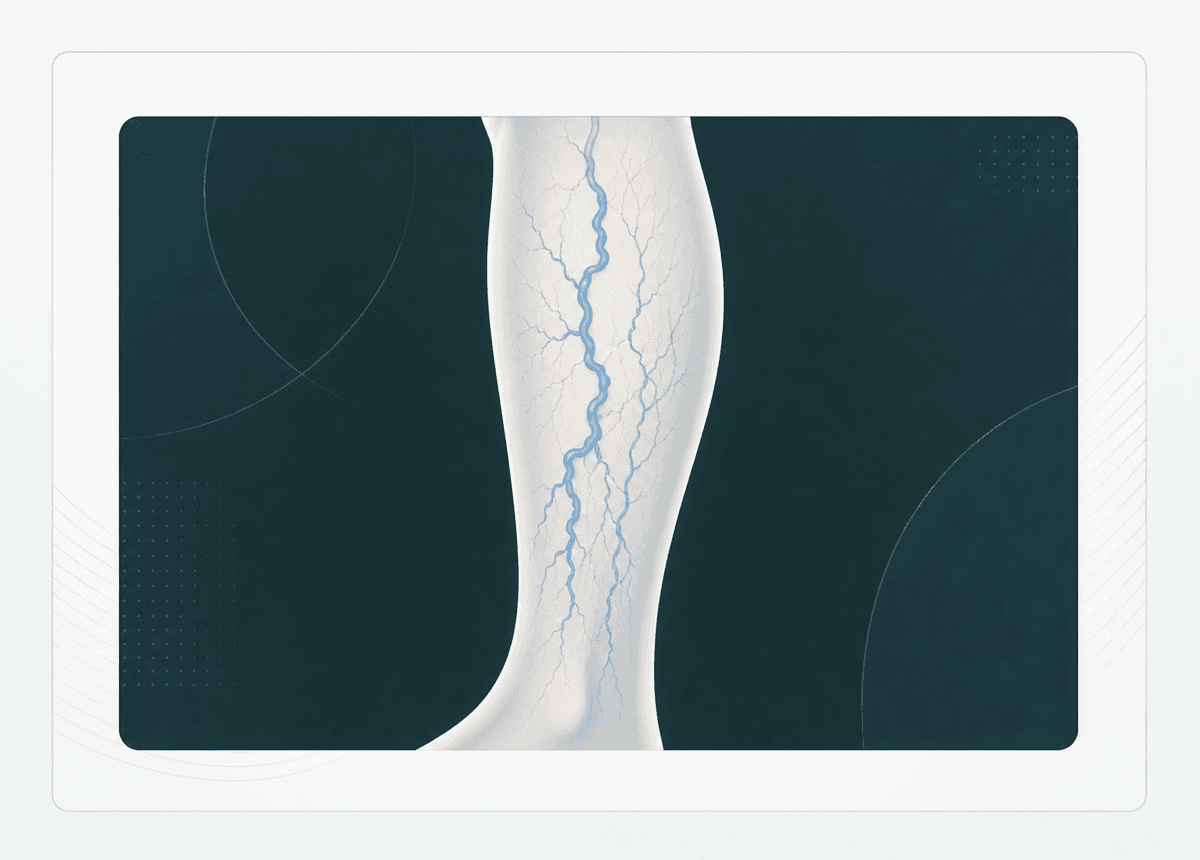
Varicose veins are enlarged superficial veins that can cause aching, heaviness, swelling, itching, skin irritation, or visible bulging veins. Some people seek help because symptoms affect work, exercise, sleep, or confidence.

Schematic illustration of blue varicose veins in a lower leg

When assessment may help

  • Leg aching, heaviness, swelling, throbbing, or cramps that worsen through the day.
  • Skin changes around the ankle, eczema, pigmentation, or healed or active venous ulcers.
  • Superficial clots or thrombosis, bleeding from a vein, or veins that are becoming more painful.
  • A wish to understand non-surgical and procedural options.

What assessment usually involves

Assessment commonly includes examination and duplex ultrasound to identify which veins are not working normally. This helps separate cosmetic surface veins from medically significant reflux and helps guide whether compression, surveillance, injection treatment, endovenous treatment, or surgery might be considered.

Treatment expectations

Treatment aims to improve symptoms and reduce selected vein-related complications where appropriate. A wide range of management options will be discussed, including conservative management, compression garments, or invasive treatments like sclerotherapy, thermal ablation, and open surgery. No treatment can guarantee that veins will never recur, and suitability depends on anatomy, symptoms, medical history, and ultrasound findings.

Questions

Common questions

Do all varicose veins need treatment?

No. Some veins can be managed with observation, compression, activity changes, or skin care. Treatment is considered when symptoms, complications, anatomy, and patient goals support it.

Is ultrasound important?

Yes. Duplex ultrasound helps map vein reflux and identify anatomy that cannot be reliably assessed by appearance alone.

Next step

Discuss a vascular enquiry

Share the clinical question, relevant history, and any previous imaging so the next step can be planned appropriately.